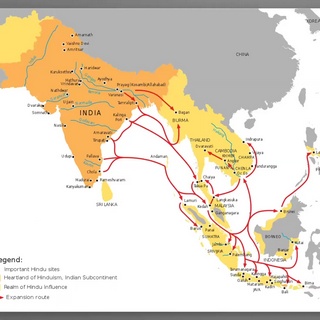
This is a fascinating and rigorously detailed lecture from Yale University featuring archaeologist Dr. Andrew Harris, who presents his research on the transition from state Hinduism and Mahāyāna Buddhism to Theravāda Buddhism in Angkor, Cambodia, specifically focusing on the 13th through 16th centuries.
Dr. Harris explores how Theravāda Buddhism took root across the vast urban landscape of Angkor Thom. Rather than a sudden, chaotic revolution, the archaeological record of vihāra (prayer halls), boundary sīmā stones, and converted sanctuaries reveals a deliberate process of place-making and continuity.
By utilizing spatial analysis, lidar mapping, and radiocarbon dating from the Angkor Vihara Project, his team investigates how Khmer populations reconciled earlier monument spaces—repurposing them as reliquaries or adjusting sacred geometries while honoring older ancestral and political networks.
The lecture also touches upon the broader historical context, from the accounts of Chinese envoy Zhou Daguan to the eventual shifting of regional power toward Ayutthaya and the 16th-century restoration of Angkor Wat. It offers a fresh, material-driven perspective on how religious change manifested in the heartland of the Khmer Empire.
There is a short introduction and the very fluent main lecture starts around the 3-minute mark, and lasts around 45 minutes. That is followed by a question and answer session with experts in their various fields.
if the video does not appear on the page, try reloading the page; and if that doesn’t work, leave a comment so I can update the page (the comment is not published)
to see an album of screenshots click here